Soap scum is a common problem in bathrooms because soap residue, minerals, and moisture combine to create a cloudy layer on shower doors and surrounding hardware. Regular cleaning helps maintain a clear glass appearance and protects bathroom fixtures from long-term buildup.
For hotels, apartments, and residential projects, easy maintenance is an important consideration when selecting shower solutions. Product design, material quality, and installation standards all influence long-term bathroom performance.
Soap scum forms when soap ingredients react with minerals in water and create a sticky residue. Hard water areas usually experience faster buildup because dissolved minerals remain on surfaces after water evaporation.
| Cause | Effect |
|---|---|
| Soap Residue | Creates cloudy surface buildup |
| Hard Water Minerals | Leaves white marks and deposits |
| Poor Ventilation | Increases moisture retention |
| Infrequent Cleaning | Makes stains harder to remove |
1. Rinse The Glass Surface
Use warm water to soften surface residue before applying any cleaning solution.
2. Apply A Mild Cleaner
A suitable bathroom cleaner can help break down soap residue without damaging glass or nearby metal components.
3. Remove Stubborn Deposits
For heavier buildup, gentle descaling methods can help remove mineral deposits.
4. Dry The Surface
Using a soft cloth or squeegee after cleaning reduces future water spots.
Avoid abrasive materials because they may scratch glass surfaces or damage nearby finishes.
Cleaning performance is influenced by more than maintenance methods. shower system design, hardware quality, and surface treatment affect how easily bathrooms can remain clean.
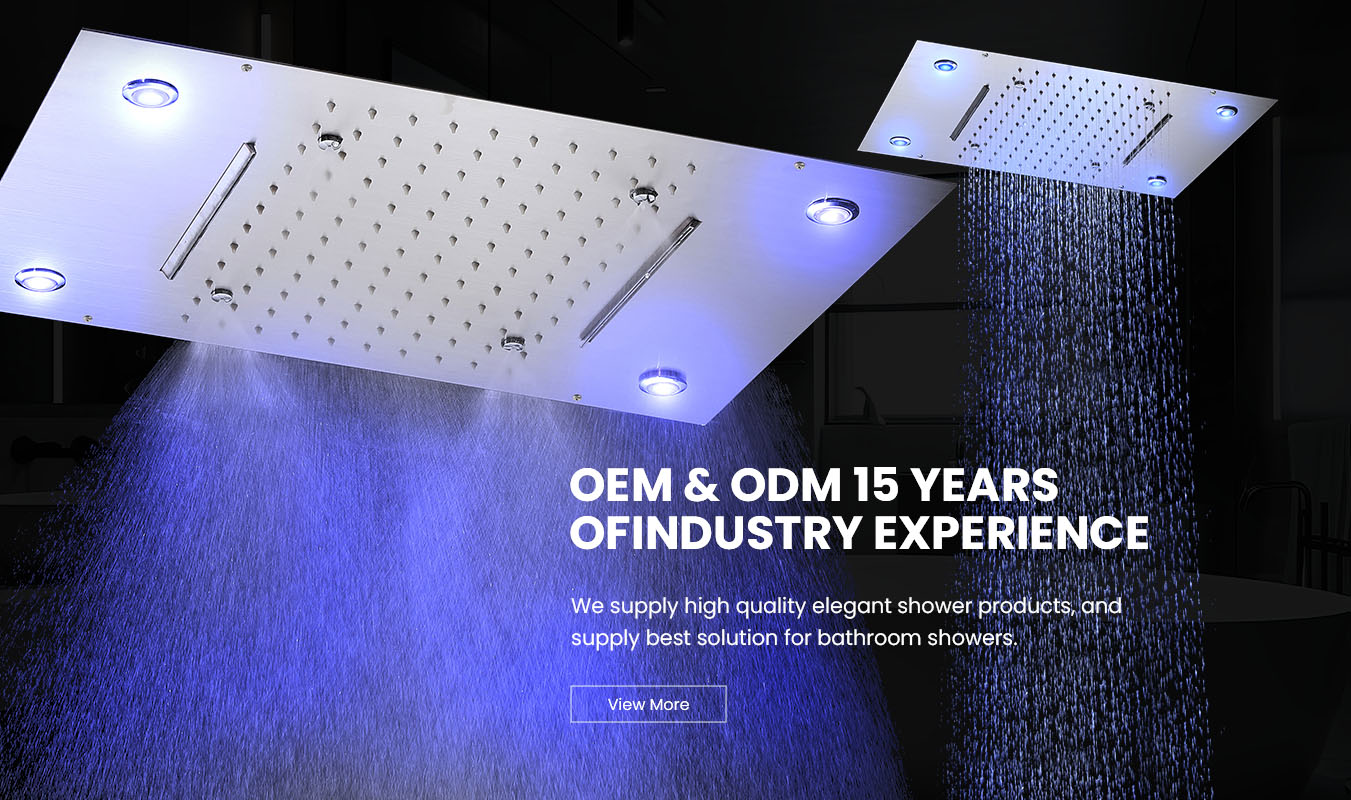
EMYSA develops shower solutions including shower heads, shower systems, and bathroom fittings. Its Shower System Collection provides coordinated products designed for modern bathroom applications.
A reliable shower solution should consider:
Corrosion-resistant materials
Stable connections
Easy maintenance structure
Consistent surface finishing
Long-term durability
For bathroom projects, product quality depends on manufacturing control. A manufacturer manages raw materials, production processes, testing, and inspection directly.
A trader mainly coordinates product sourcing, while a manufacturer can provide deeper control over:
Material specifications
Product structure
Surface treatment
Quality consistency
Customized requirements
EMYSA supports OEM and ODM shower product development through design confirmation, sample approval, production monitoring, testing, and export preparation.
Professional shower product manufacturing includes:
Raw material inspection
Metal processing
Surface polishing
Plating or coating
Assembly testing
Final inspection
Quality checkpoints should include:
Surface appearance inspection
Corrosion resistance testing
Leakage testing
Connection strength verification
Component compatibility checks
Stainless steel and brass are commonly used in bathroom products because they provide durability in humid environments. ASTM A240 covers chromium and chromium-nickel stainless steel products used for corrosion-resistant applications.
For hotels and larger projects, consider:
Regular shower door cleaning schedules
Suitable cleaning products
Ventilation improvement
Hardware inspection
Spare component planning
Product documentation
A clean shower environment depends on both proper maintenance and reliable product design. With controlled manufacturing, quality materials, and professional shower solutions, bathrooms can maintain better appearance and performance over time.