A blocked shower drain is one of the most common bathroom maintenance problems. Hair, soap residue, and mineral deposits can gradually reduce water flow and create unpleasant odors. For hotels, apartments, and residential bathrooms, effective drainage design and quality shower components help reduce maintenance problems.
Removing hair from a shower drain is usually simple when the blockage is identified early. However, frequent drainage issues may indicate problems with the drain structure, installation, or long-term product performance.
Hair is the main cause of many shower drain blockages because it can combine with soap residue and other materials to form compact buildup.
| Cause | Impact On Drainage |
|---|---|
| Hair Accumulation | Reduces water flow |
| Soap Residue | Creates sticky buildup |
| Mineral Deposits | Narrows drainage channels |
| Poor Drain Design | Increases maintenance frequency |
Regular cleaning helps prevent small blockages from becoming larger drainage problems.
1. Remove The Drain Cover
Carefully lift the drain cover to access the drainage opening. Clean visible hair and debris around the surface.
2. Use A Drain Cleaning Tool
A flexible drain cleaning tool can help remove hair deeper inside the pipe without damaging the drainage system.
3. Flush With Water
After removing the blockage, flush the drain with warm water to clear remaining residue.
4. Maintain Regular Cleaning
Routine maintenance prevents repeated buildup and improves drainage performance.
For commercial bathrooms, scheduled inspection is especially important because higher usage frequency increases the chance of drainage issues.
Drainage performance is connected with overall bathroom system design. Shower trays, drains, shower systems, and installation structures should work together to create reliable water flow.
EMYSA provides complete bathroom solutions including shower systems and related products. Its Shower System Collection is designed for modern bathroom applications with coordinated components and professional manufacturing control.
A well-designed shower system should consider:
Water drainage efficiency
Component compatibility
Easy maintenance access
Material durability
Long-term performance
For bathroom projects, product reliability depends on manufacturing control. A manufacturer manages material selection, production processes, testing, and quality inspection directly.
A trader usually focuses on product sourcing, while a manufacturer can provide deeper control over:
Product structure
Material specifications
Production consistency
Customized requirements
Packaging standards
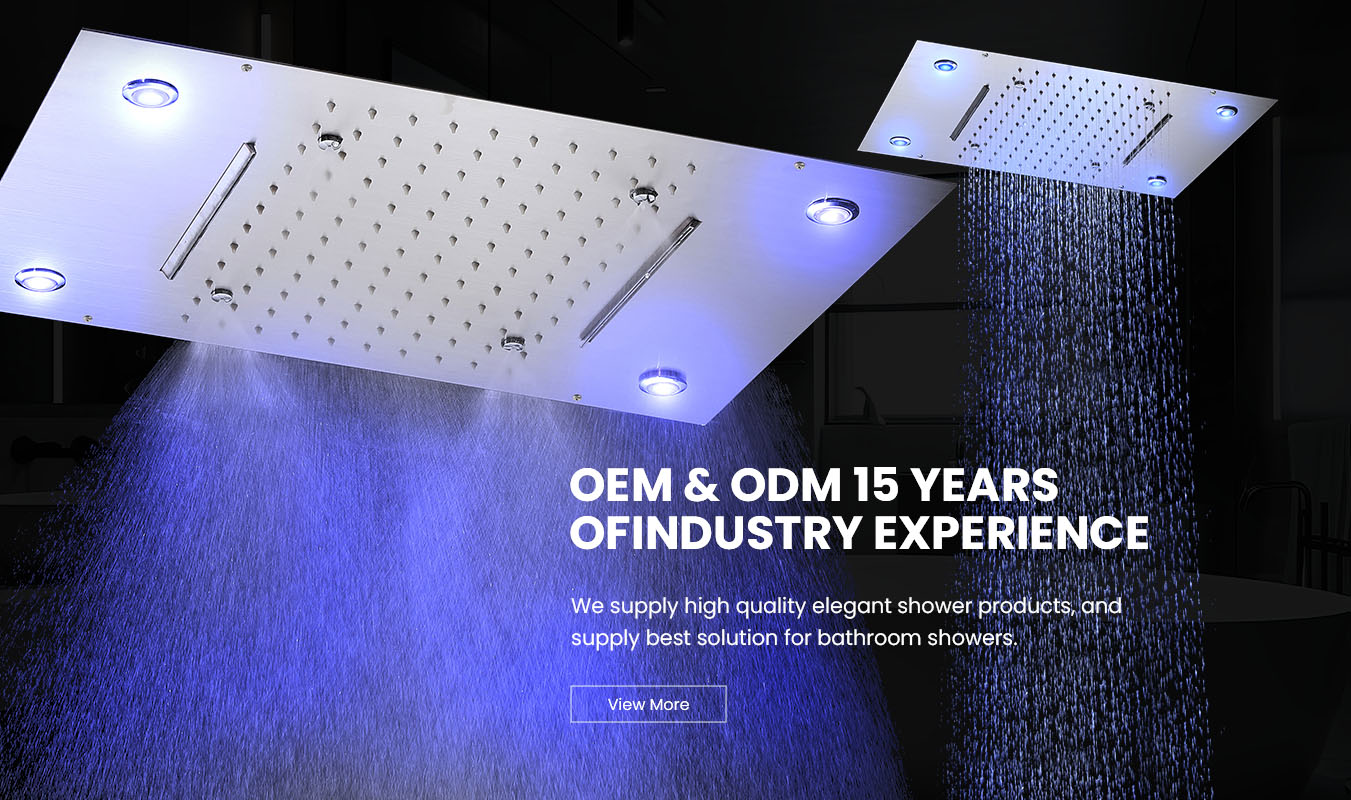
EMYSA supports OEM and ODM bathroom product development, including design confirmation, prototype approval, production monitoring, inspection, and export preparation.
Professional bathroom product manufacturing includes:
Raw material inspection
Metal processing
Surface treatment
Component assembly
Performance testing
Final inspection
Quality checkpoints should include:
Connection accuracy
Leakage testing
Water flow testing
Surface finish inspection
Corrosion resistance evaluation
Stainless steel and brass are commonly used in bathroom products because they provide durability in humid environments. ASTM A240 covers chromium and chromium-nickel stainless steel products used in corrosion-resistant applications.
For larger bathroom projects, consider:
Drain structure and cleaning access
Product maintenance requirements
Spare component availability
Installation instructions
Packaging protection
Export compliance documentation
A shower drain that is easy to maintain improves bathroom efficiency and reduces long-term service costs. Reliable bathroom performance comes from both proper maintenance and professional product manufacturing.