Pink mold in a shower is often not true mold at all. In many bathrooms, the pink or orange film is associated with Serratia marcescens, a bacterium that thrives in damp spaces such as shower corners and basins. It tends to grow where moisture, soap residue, and body oils remain on the surface, which is why it often returns quickly if the root cause is not addressed.
For daily maintenance, the most effective approach is simple: scrub affected hard surfaces with detergent and water, then dry the area completely. The U.S. EPA says moisture control is the key to mold control, and it specifically recommends fixing plumbing leaks and drying surfaces as soon as possible. That matters in shower spaces because repeated standing moisture is what allows pink buildup to come back.
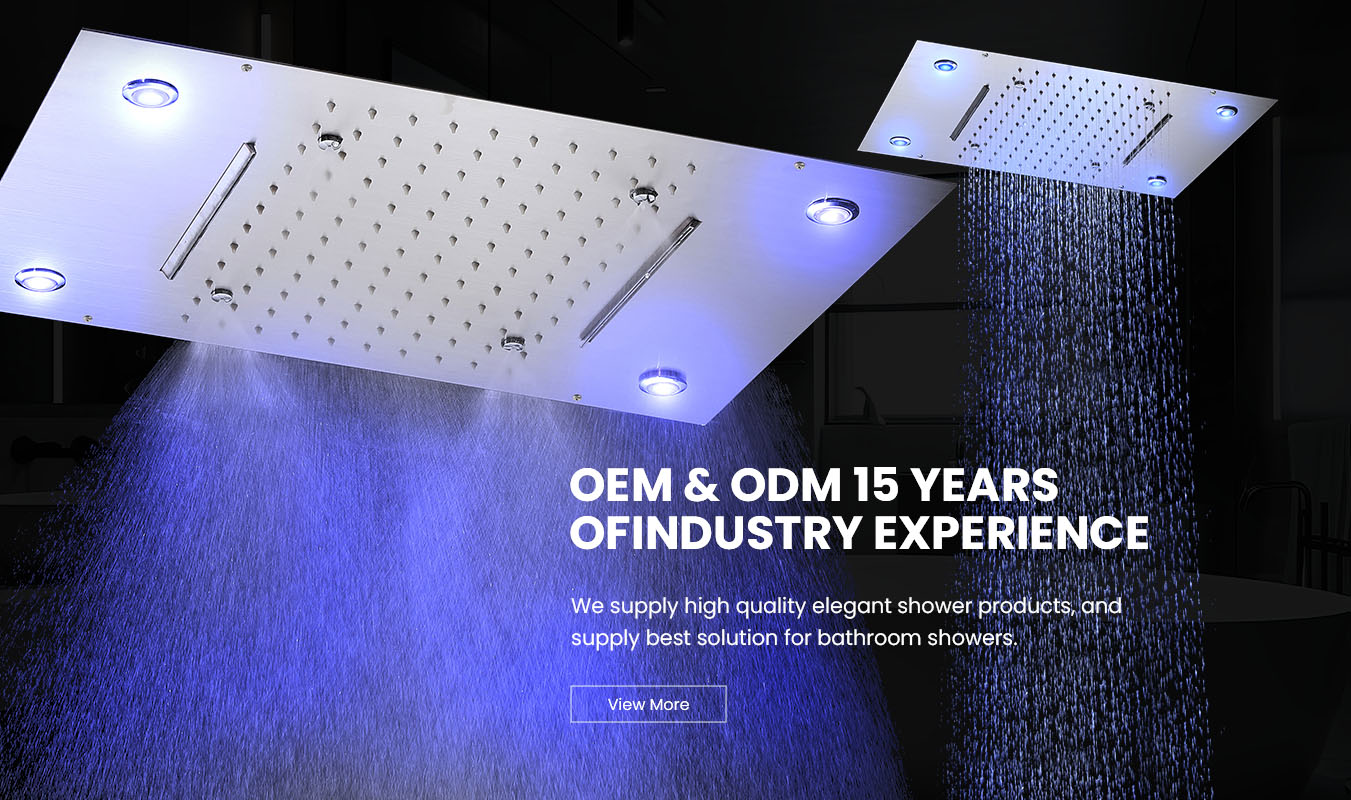
From a sourcing perspective, this is not only a cleaning problem. It is also a product and manufacturing problem. A shower system that leaves water in corners, around joints, or on rough surfaces will create more maintenance pressure after installation. This is where manufacturer vs trader becomes important. A direct shower components manufacturer can usually explain surface finishing, nozzle layout, drainage design, and assembly details more clearly than a trading company that depends on outside factories for technical answers. EMYSA describes itself as a manufacturer founded in 2009, focused on Brass Shower Head, Stainless Steel Shower Head, and concealed shower mixer products, with exports mainly to Europe and Australia and WRAS-related experience.
A proper manufacturing process overview helps explain why some showers are easier to keep clean than others. In shower parts manufacturing, the key stages include raw material selection, machining, polishing, surface finishing, assembly, and final inspection. If these steps are not controlled well, rough edges, uneven joints, weak coatings, and poor sealing can trap moisture and residue. Over time, those weak points make pink mold in shower areas more likely to return. This is why buyers sourcing for long-term projects should look beyond style and ask about cleanability, finish stability, and maintenance access during supplier evaluation. EMYSA’s category structure across Brass Showerhead, stainless steel shower head, Hand Shower, shower head fittings, and concealed shower system supports a more integrated factory approach to shower system production.
Material standards used in wet areas affect both durability and hygiene. Stainless steel is widely preferred for exposed shower components because it offers good corrosion resistance, while brass remains important for internal water-control parts because it machines accurately and supports stable sealing performance. For export market compliance, water-contact materials also need to meet regulatory expectations. The U.S. EPA states that lead-free plumbing products must not exceed a weighted average of 0.25 percent lead across wetted surfaces. In Europe, REACH is the main EU law for protecting human health and the environment from risks posed by chemicals. These requirements make material control an important part of any project sourcing checklist.
A shower that is easier to clean usually begins with better quality control checkpoints. Buyers should ask whether the supplier checks surface smoothness, coating consistency, sealing quality, nozzle precision, and drainage performance before shipment. Those points matter because pink buildup forms faster on surfaces that stay wet, hold residue, or become harder to wipe clean over time. In the OEM / ODM process, these details should be reviewed at the sample stage, not after the product reaches the market. A strong factory-led process usually includes requirement confirmation, finish validation, sample approval, pilot production, and batch consistency review before full release. That reduces the chance of hidden design flaws being repeated in bulk shower components supply.
For bulk supply considerations, buyers should not focus only on appearance, quotation, or packaging. They should also confirm whether the shower product supports easy daily cleaning, whether moisture can drain away quickly, and whether the surface finish remains stable after long-term use in humid environments. A useful project sourcing checklist can look like this:
| Focus Area | What Buyers Should Confirm |
|---|---|
| Supplier type | Direct manufacturer control or trader coordination |
| Product design | Easy-clean surfaces, fewer water-trap zones, accessible joints |
| Material control | Brass and stainless steel quality, lead-free and chemical compliance |
| Quality plan | Surface inspection, sealing checks, assembly consistency |
| Export readiness | REACH awareness, traceability, market compliance support |
These points help buyers compare manufacturer vs trader in a more practical way. The stronger supplier is usually the one that can explain how the product is made, how it will perform in humid bathrooms, and how it will stay consistent across repeat shipments.
To get rid of pink mold in shower areas, the immediate answer is to clean hard surfaces with detergent and water, dry them completely, improve ventilation, and fix any moisture source as early as possible. The better long-term answer is to source shower products with stable materials, smoother finishes, stronger quality control, and better drainage logic. EMYSA’s manufacturer-based model, focused shower product range, and export experience make it better suited to support OEM shower components development, project sourcing checklist review, and more reliable bulk supply planning for humid bathroom environments.
Previous: How To Get Rid Of Shower Mold