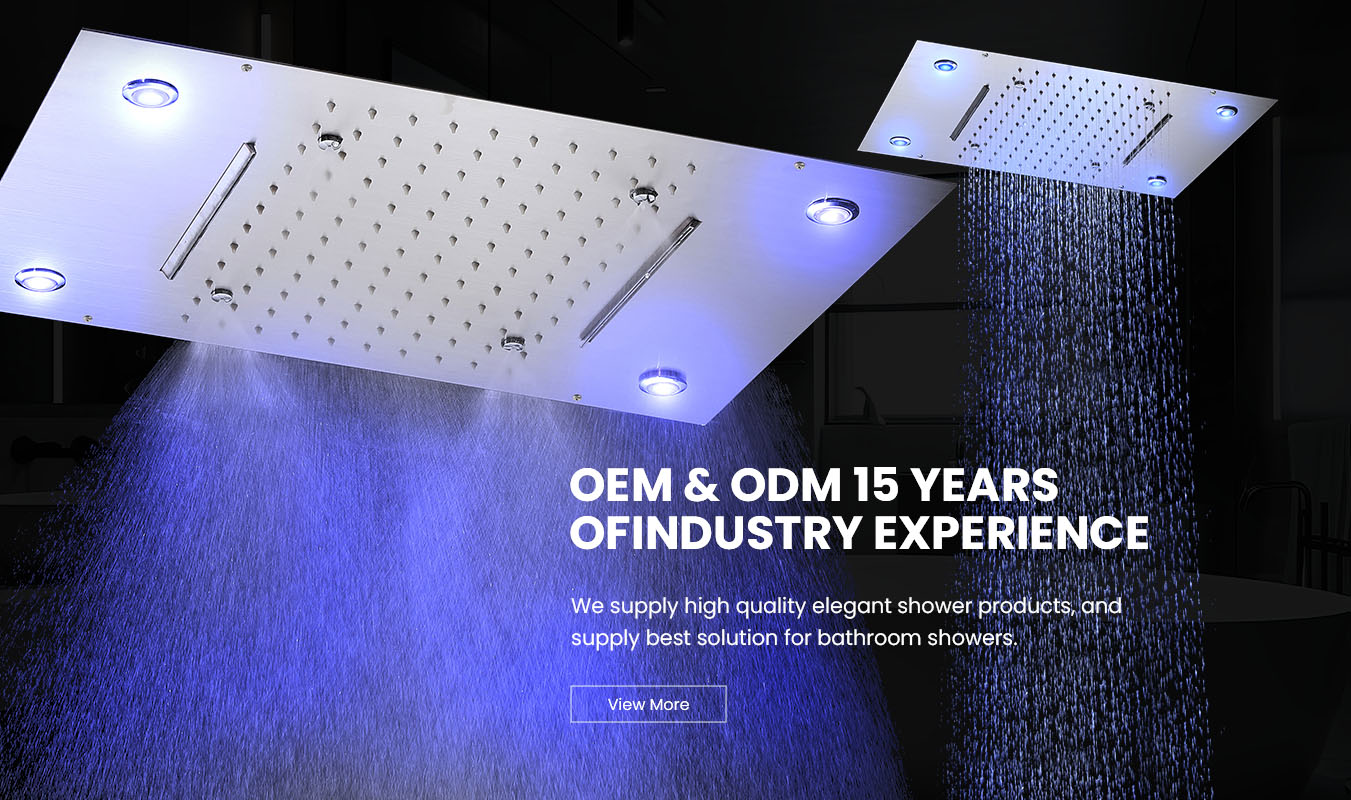
Replacing a shower system can improve bathroom functionality, appearance, and water performance. Whether upgrading an old bathroom, renovating a hotel space, or developing new residential projects, replacing a shower requires careful planning around product selection, installation requirements, and long-term reliability.
A complete shower replacement is not only about changing the visible shower head. It involves evaluating valves, connections, fittings, water supply conditions, and product compatibility.
A shower system may need replacement when it shows signs of aging, leakage, reduced water performance, or outdated design.
| Problem | Possible Solution |
|---|---|
| Low Water Flow | Check shower head or internal components |
| Leakage | Replace damaged fittings or valves |
| Corrosion | Upgrade to durable materials |
| Outdated Design | Install modern shower solutions |
Regular bathroom upgrades can improve water efficiency and user experience, especially in high-use environments such as hotels and commercial facilities.
1. Check Existing Installation
Before replacement, confirm the current shower type, pipe connections, wall structure, and water supply conditions.
2. Remove Existing Components
Carefully remove the old shower head, fittings, and related components while protecting existing plumbing connections.
3. Install New Shower Components
Connect the new shower system according to installation specifications. Ensure all fittings are properly tightened and aligned.
4. Test Performance
Check water flow, temperature control, leakage prevention, and connection stability before completing the installation.
For commercial projects, installation consistency is especially important because multiple bathrooms require the same performance standards.
The replacement process depends on choosing products that match the application.
Common options include:
| Shower Type | Suitable Application |
|---|---|
| Shower Head Replacement | Simple bathroom upgrades |
| Shower Mixer System | Standard residential bathrooms |
| Concealed Shower System | Modern and premium projects |
| Thermostatic Shower System | Hotels and high-comfort applications |
EMYSA develops complete shower solutions including shower heads, shower systems, and bathroom fittings. Its Shower System Collection provides coordinated products for different bathroom requirements.
Replacing a shower system requires reliable product compatibility. A professional manufacturer controls the relationship between different components, ensuring better installation performance.
A manufacturer manages:
Material selection
Product engineering
Component matching
Production quality
Performance testing
A trader usually focuses on product sourcing, while a manufacturer can provide deeper support for OEM and ODM projects.
EMYSA supports customized shower solutions through design confirmation, prototype development, production monitoring, quality inspection, and export preparation.
Reliable shower products require strict manufacturing control.
Production processes include:
Raw material inspection
Metal machining
Surface polishing
Plating or coating
Component assembly
Performance testing
Quality checkpoints should include:
Leakage testing
Water pressure testing
Temperature control testing
Surface finish inspection
Thread accuracy verification
Brass and stainless steel are commonly selected for shower products because they provide durability in humid bathroom environments. ASTM A240 covers chromium and chromium-nickel stainless steel products used for corrosion-resistant applications.
Before replacing shower systems for larger projects, consider:
Existing plumbing compatibility
Installation requirements
Product specifications
Maintenance access
Spare components
Packaging standards
Export compliance requirements
A successful shower replacement project requires more than choosing a new product. Professional engineering, controlled manufacturing, and strict quality management help create shower systems that deliver reliable performance over time.
Previous: How To Snake A Shower Drain