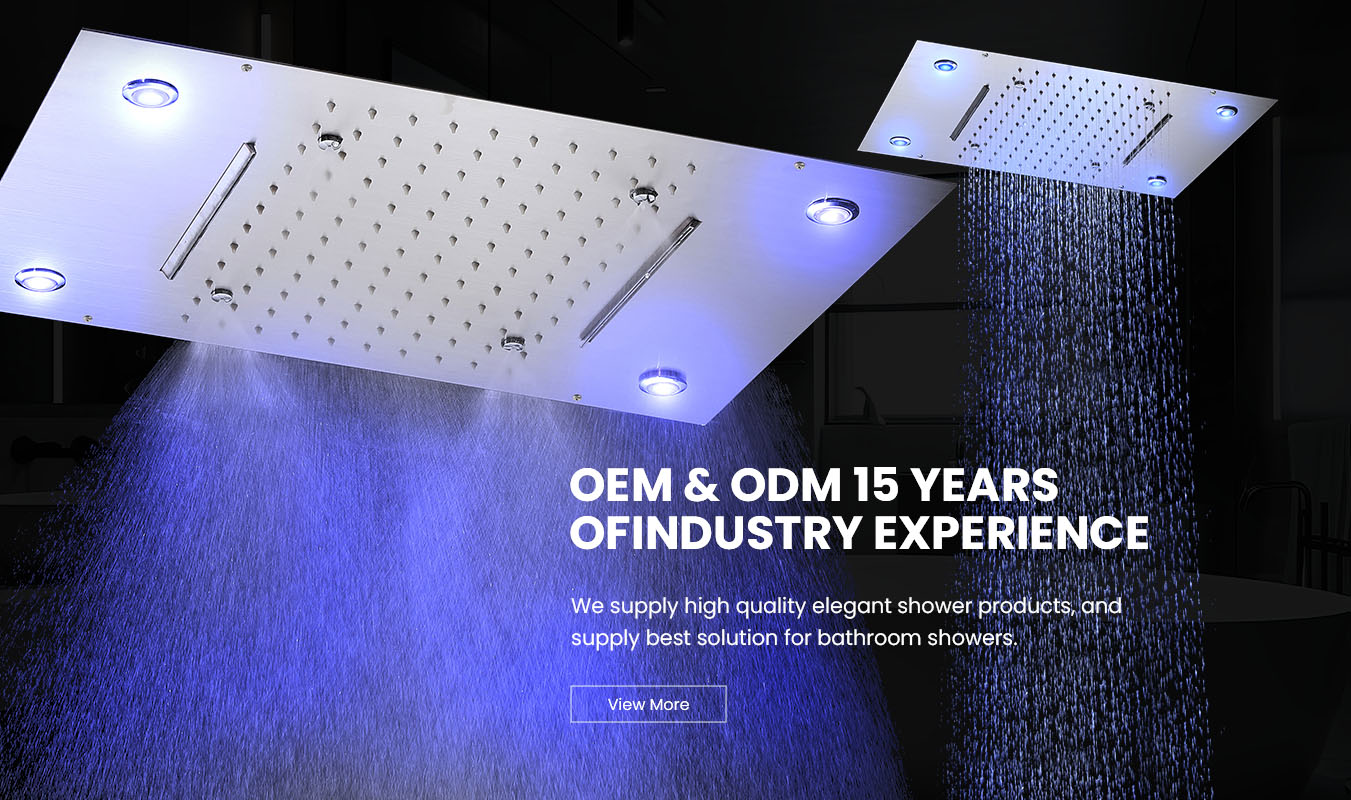
Low shower water pressure can affect comfort, daily use experience, and bathroom performance. The solution is not always replacing the shower system. Water pressure problems may come from blocked components, incorrect installation, unsuitable shower heads, or insufficient water supply conditions.
For hotels, apartments, and residential projects, selecting properly designed shower products and controlling manufacturing quality are important factors for maintaining stable water flow.
Before improving water pressure, identify the actual cause.
| Possible Cause | Solution |
|---|---|
| Blocked Shower Head | Clean or replace internal components |
| Mineral Buildup | Remove deposits from water outlets |
| Small Water Supply Pipe | Check plumbing design |
| Incorrect Installation | Verify connections and valves |
| Unsuitable Shower Head | Select a suitable flow design |
Mineral deposits can gradually reduce water outlet performance, especially in areas with hard water. Regular maintenance and correct product selection help maintain stable shower performance.
The shower head structure directly affects the water experience. Internal channels, spray patterns, nozzle design, and flow control components influence how water is distributed.
EMYSA develops shower solutions including shower heads and complete shower systems. Its Shower Head Collection includes products designed for different bathroom applications, helping create consistent water performance in residential and commercial environments.
A suitable shower head should consider:
Water supply pressure
Shower area size
Spray pattern requirements
Water-saving expectations
Installation compatibility
Water pressure is not only related to plumbing. Product engineering and manufacturing precision also influence shower performance.
A professional shower manufacturer controls:
Internal water channel design
Material thickness
Component compatibility
Cartridge performance
Connection accuracy
Leakage prevention
EMYSA integrates product development, manufacturing, and quality inspection. Its OEM and ODM process supports customized shower solutions based on different market requirements.
Reliable shower production includes:
Raw material inspection
Metal machining
Surface polishing
Plating or coating
Component assembly
Water testing
Quality checkpoints should include:
Water flow testing
Leakage testing
Pressure resistance testing
Surface finish inspection
Thread accuracy verification
Assembly performance checks
Brass and stainless steel are commonly selected for shower products because they provide strength and corrosion resistance in humid bathroom environments. ASTM A240 covers specifications for chromium and chromium-nickel stainless steel products used in corrosion-resistant applications.
For larger bathroom projects, confirm:
Water pressure requirements
Shower system compatibility
Product flow specifications
Installation dimensions
Maintenance requirements
Spare components
Export documentation
A manufacturer with complete production control can help prevent performance issues caused by inconsistent components or poor compatibility.
Improving shower water pressure requires both correct installation and reliable product selection. With precise engineering, quality materials, and controlled manufacturing, shower systems can provide stable water performance and a better user experience.