A properly installed shower rod improves bathroom functionality, supports shower curtains effectively, and helps prevent water from spreading outside the shower area. For residential bathrooms, hotels, apartments, and commercial projects, correct installation also affects product stability, appearance, and long-term user experience.
Although shower rods may look simple, reliable performance depends on accurate measurements, suitable wall support, quality materials, and proper installation methods.
Before installation, confirm the shower area dimensions, wall condition, rod type, and installation position. The rod should be positioned high enough to keep the curtain away from the floor while allowing enough coverage inside the shower area.
Common preparation steps include:
| Step | Key Action |
|---|---|
| Measure Space | Confirm wall distance and installation height |
| Check Wall Structure | Ensure suitable fixing points |
| Select Hardware | Match screws, anchors, and brackets |
| Mark Position | Keep both sides level |
For hotels and commercial bathrooms, standardization is especially important because repeated installation across multiple rooms requires consistent dimensions and reliable hardware performance.
A basic shower rod installation process includes:
1. Measure And Mark
Measure the distance between both walls and mark the bracket positions. Use a level tool to ensure the rod remains horizontal.
2. Install Brackets
Secure the mounting brackets according to the wall material. Proper fixing prevents movement during daily use.
3. Attach The Shower Rod
Place the rod into the brackets and confirm that all connections are tight and stable.
4. Test Stability
Apply light pressure to check whether the installation remains firm before regular use.
The performance of a shower rod depends heavily on material selection and manufacturing quality. Stainless steel and brass are commonly used in bathroom products because they provide corrosion resistance and durability in humid environments.
A professional shower manufacturer controls the complete production process, including raw material inspection, tube forming, surface polishing, plating or coating, assembly, and final inspection.
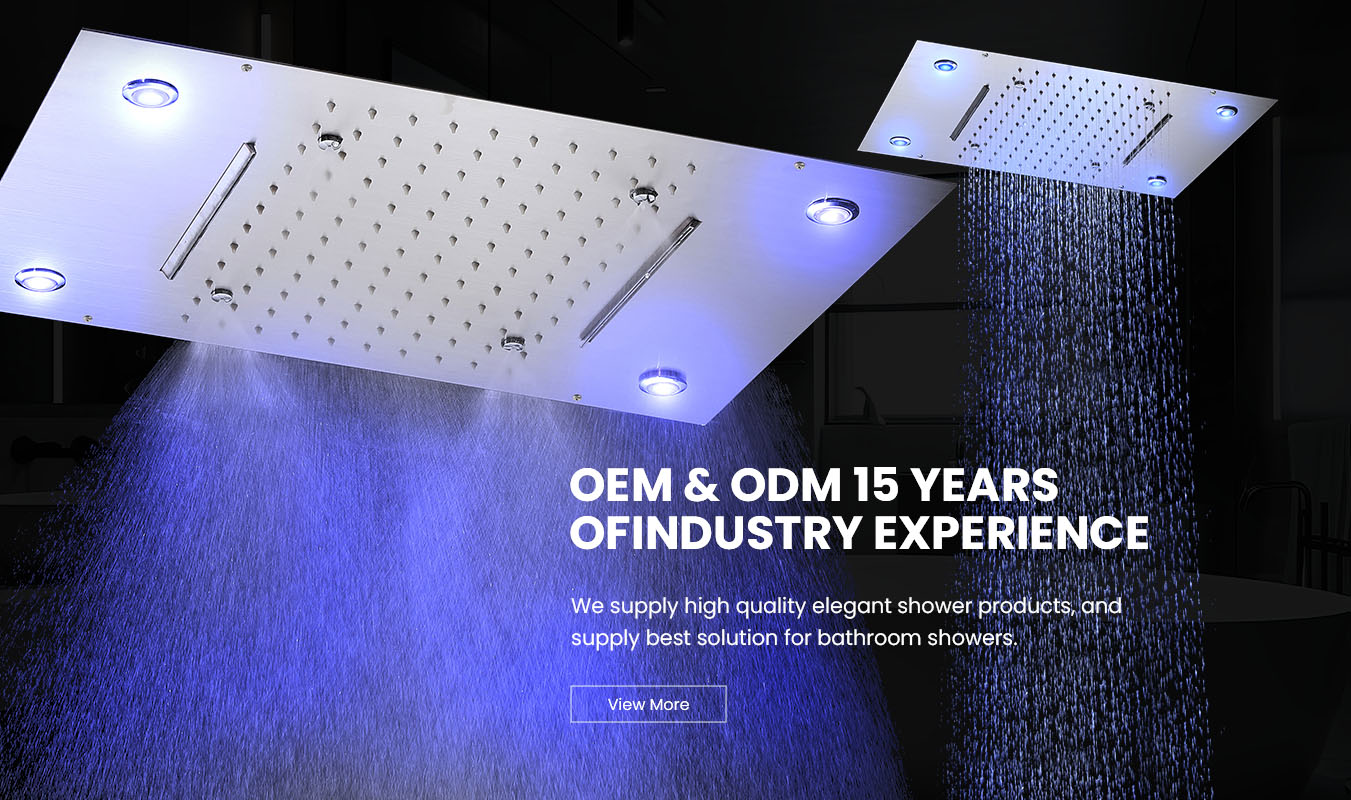
EMYSA specializes in bathroom shower products and manufacturing solutions. Its product range includes shower systems, shower heads, and bathroom fittings designed for residential and commercial applications.
For example, EMYSA’s Shower System Collection demonstrates how coordinated shower components can create complete bathroom solutions.
A manufacturer provides deeper control over product development, materials, and quality management. A trader usually focuses on product sourcing and may have limited involvement in production adjustments.
Working with a shower manufacturer allows better control over:
Material specifications
Surface finishing
Product dimensions
Packaging requirements
Quality consistency
An OEM and ODM process usually includes design review, technical confirmation, sample approval, production monitoring, inspection, and export preparation.
Bathroom products must maintain stable performance under continuous exposure to water and humidity. Quality checkpoints should include:
Material thickness inspection
Surface finish testing
Connection strength testing
Leakage prevention checks
Appearance inspection
Packaging protection
ASTM A240 provides specifications for chromium and chromium-nickel stainless steel plate and sheet products used in corrosion-resistant applications. WRAS approval is also an important reference for certain UK water fitting applications.
For large projects, a sourcing checklist should confirm product specifications, installation requirements, packaging standards, delivery schedules, spare components, and destination-market compliance.
Installing a shower rod correctly requires more than fixing a bar to the wall. Reliable bathroom hardware comes from accurate design, quality materials, controlled manufacturing, and professional quality management.
Previous: What Size Set Screw For Shower Handle?