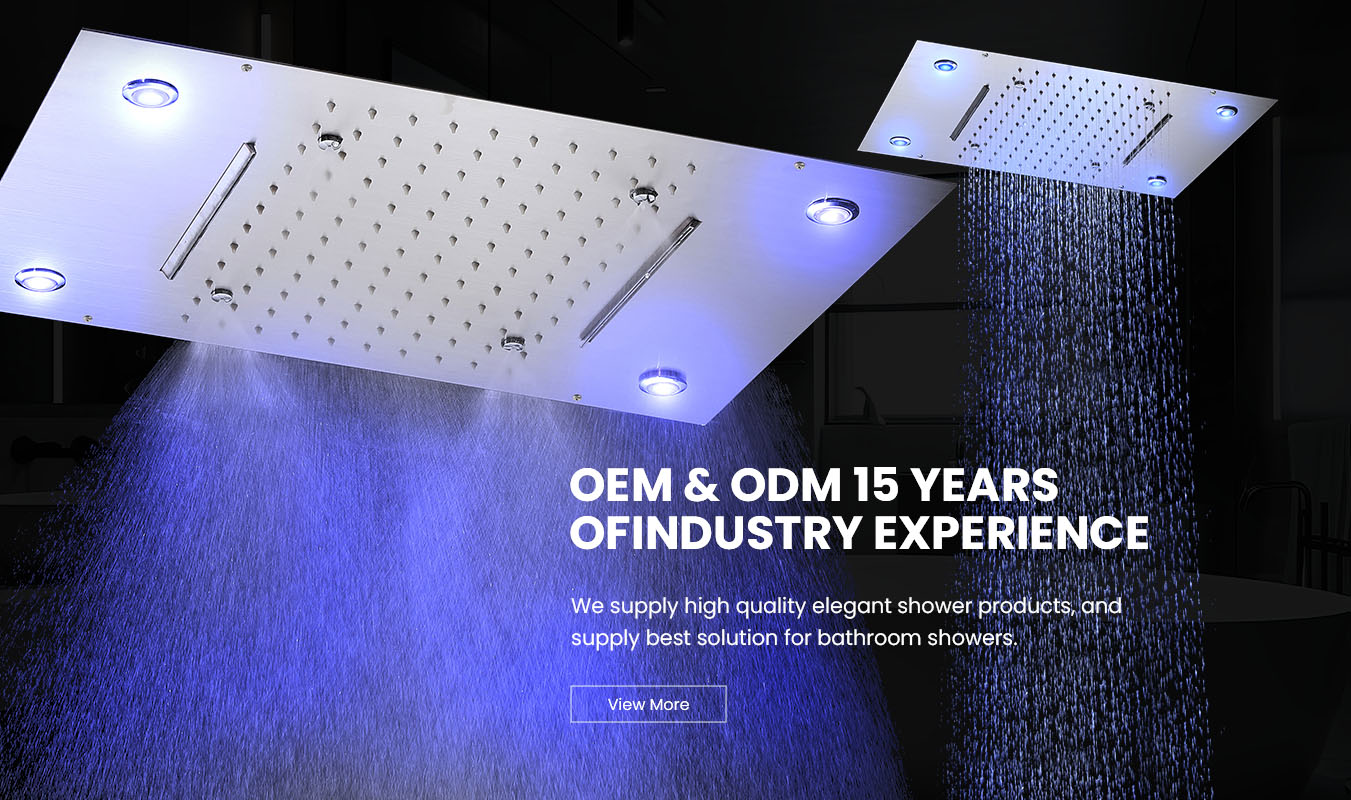
shower heads are essential components of modern bathroom systems, directly influencing water flow performance, spray consistency, and user comfort. Over time, mineral deposits, limescale buildup, and bacteria accumulation can reduce water pressure and affect spray quality. Industry plumbing maintenance research shows that regular cleaning can restore up to 30 percent of lost water flow efficiency in clogged shower systems.
The primary cause of shower head blockage is hard water deposits, especially calcium and magnesium accumulation. These minerals gradually clog spray nozzles and reduce water distribution efficiency.
In regions with high mineral content water supply, buildup can occur within weeks if maintenance is not performed regularly.
A structured cleaning routine helps maintain optimal shower performance. Recommended steps include:
Detaching shower head if removable
Soaking in mild vinegar solution for mineral breakdown
Rinsing thoroughly with clean water
Using a soft brush to clean nozzle openings
Reinstalling and testing water flow
This process helps restore spray consistency and improve water pressure performance.
For heavily clogged shower heads, deep cleaning is required. The process includes:
Full disassembly of shower head components
Extended soaking in descaling solution
Mechanical cleaning of internal nozzles
Pressure flushing to remove hidden debris
Reassembly and leakage testing
Material maintenance studies show that periodic deep cleaning can reduce long term nozzle blockage risk by more than 40 percent in high mineral water environments.
Modern shower heads are manufactured using stainless steel, brass, and ABS plastic. Brass internal structures are widely used due to corrosion resistance and stable water flow performance, while stainless steel provides structural durability and long term oxidation resistance.
Engineering data shows that brass valve systems can improve operational lifespan by more than 35 percent compared with low grade alloy systems under continuous water exposure conditions.
A structured manufacturing system ensures stable water flow performance and durability. Key production stages include:
Brass or stainless steel material forming
Precision machining of internal channels
Nozzle drilling and spray pattern calibration
Surface electroplating or polishing
Pressure resistance testing
Flow uniformity testing
Final inspection and packaging
Each stage directly impacts long term shower performance and water distribution quality.
A manufacturer vs trader comparison is essential in shower system sourcing. A manufacturer controls material selection, machining precision, nozzle design, and flow testing. This ensures consistent water performance and durability across large scale production.
A trader depends on external suppliers, which may lead to inconsistent nozzle precision, weaker corrosion resistance, and limited customization capability for project based installations.
Key inspection stages include:
Water flow pressure consistency testing
Nozzle spray uniformity evaluation
Corrosion resistance testing under humidity conditions
Leakage detection under high pressure
Surface coating adhesion testing
Long cycle operational durability testing
These checkpoints ensure export compliance and stable performance in global bathroom installations.
| Cleaning Method | Effectiveness | Effort Level | Result Stability |
|---|---|---|---|
| Basic rinsing | Medium | Low | Short term improvement |
| Vinegar soaking | High | Medium | Good flow recovery |
| Deep descaling process | Very high | High | Long term stability |
For international procurement, key sourcing factors include nozzle precision, water flow design, material grade, corrosion resistance, surface treatment quality, certification compliance, and production scalability. A structured OEM and ODM process includes design validation, sample testing, mass production, quality inspection, and final delivery coordination.
EMYSA operates as a professional shower system manufacturer and OEM ODM supplier specializing in brass and stainless steel bathroom fittings. Its engineering capability ensures stable water flow performance, precise nozzle calibration, and scalable supply for global bathroom and hospitality projects.
When selecting shower head systems, procurement teams typically evaluate:
Water pressure stability and flow rate
Nozzle precision and spray uniformity
Corrosion resistance and material durability
Surface coating quality and adhesion
Cleaning and maintenance efficiency
OEM customization capability for project branding
Global bathroom engineering projects increasingly prioritize efficient, durable, and low maintenance shower systems that combine performance stability with long term user comfort.
Previous: How To Create A Shower Pan
Next: How To Clean Tile Shower