Cleaning shower tile grout starts with understanding why grout gets dirty so quickly. Grout is more porous than metal trim or glazed tile, so it absorbs moisture, soap residue, body oils, and fine dirt more easily. The U.S. Environmental Protection Agency says mold cleanup on hard surfaces should be done with detergent and water, followed by complete drying, and it emphasizes that moisture control is the key to preventing mold from returning. The CDC also says bleach or dish detergent can be used for mold cleanup, but bleach should never be mixed with ammonia or any other cleanser, and no more than 1 cup of bleach should be used in 1 gallon of water.
For maintenance teams, the practical cleaning process is straightforward. First remove visible residue and standing water. Then scrub the grout line with detergent and water, rinse the area, and dry it fully. When staining is heavier, a carefully diluted bleach solution may be used under proper ventilation and handling rules. The important point is that grout stains often come back when water remains in corners, wall joints, and floor transitions after each shower. That makes grout cleaning partly a housekeeping issue and partly a product-design issue.
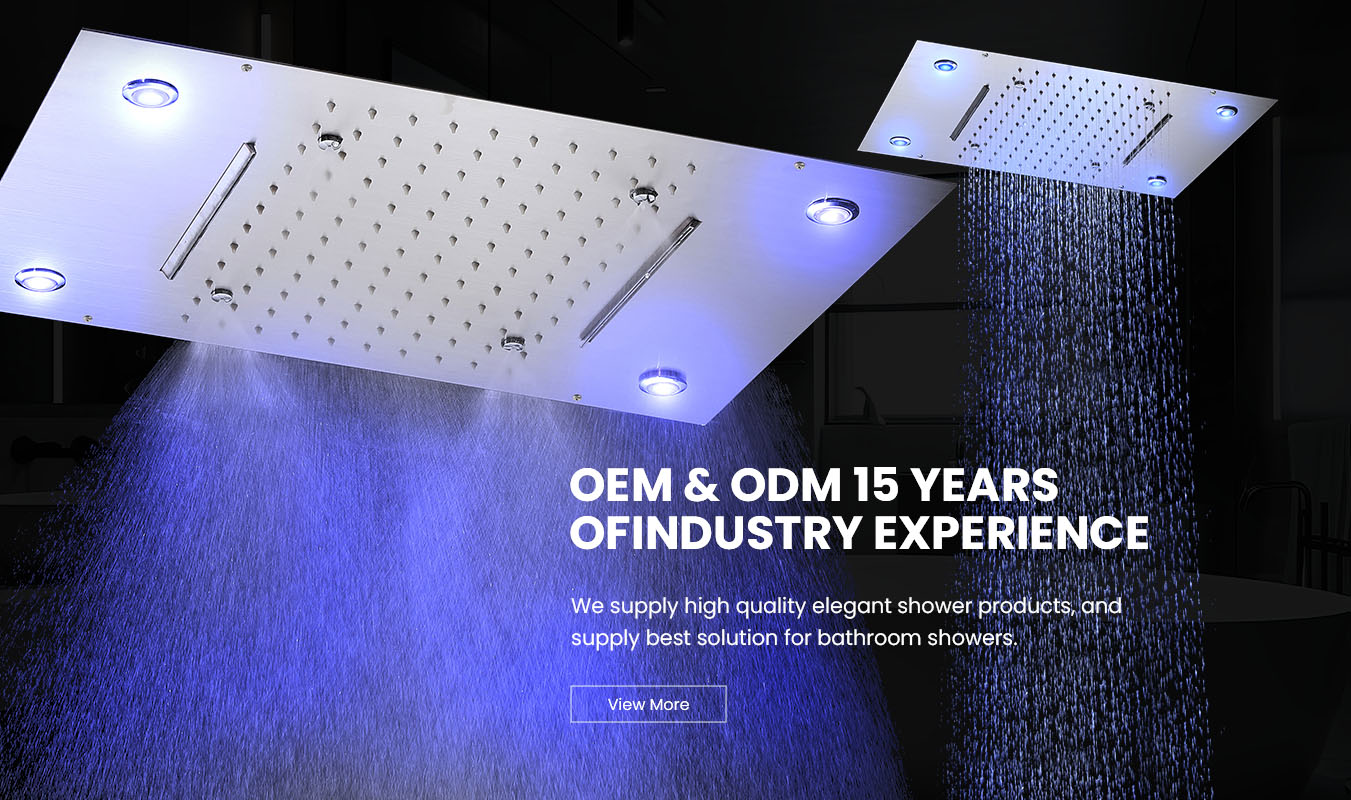
This is where manufacturer vs trader becomes relevant. A trader may supply a finished shower set, but a shower components manufacturer can usually explain how water flow, nozzle angle, sealing details, and surface finishing influence the wet environment around grout lines. EMYSA states on its website that it was founded in 2009 and is a professional manufacturer of brass shower head, Stainless Steel Shower Head, and concealed shower mixer products, with exports mainly to Europe and Australia and WRAS-related experience. Its product categories also include Hand Showers, shower head fittings, Ceiling Shower Heads, and concealed shower systems, which supports a more integrated approach to shower system production.
A proper manufacturing process overview helps explain why some shower areas are easier to keep clean than others. In shower parts manufacturing, raw material selection, machining, polishing, coating, assembly, and final inspection all affect how moisture behaves after installation. Rough edges, uneven joints, unstable surface finishes, and weak sealing points can leave more water near tile joints and grout lines. Over time, that creates a bathroom that needs more aggressive cleaning and more frequent maintenance. A direct manufacturer is usually in a better position to improve those details because engineering feedback and production adjustments happen inside the same system. EMYSA’s product structure across Brass Showerhead, stainless steel shower head, and concealed shower system categories suggests that it works across the main functional parts of the shower zone rather than supplying a single isolated item.
Material standards used in wet areas matter for both durability and compliance. Brass remains important for internal valve bodies and connection parts because it machines accurately and supports stable sealing. Stainless steel is widely used for visible components because of its corrosion resistance in humid environments. For export projects, those materials also need to fit regulatory expectations. The EPA says lead-free plumbing products must not exceed a weighted average of 0.25 percent lead across wetted surfaces. In Europe, the European Commission says REACH is the main EU law protecting human health and the environment from risks posed by chemicals. These requirements make material control part of the sourcing conversation from the very beginning.
Good quality control checkpoints can reduce how often grout becomes heavily stained. Buyers should review surface finish consistency, sealing accuracy, spray distribution, water runoff direction, and assembly precision. A shower that leaves water trapped along the wall or floor line will put more pressure on grout cleaning over time. In the OEM and ODM process, these points should be checked during sampling rather than after shipment. That means confirming not only appearance, but also how the product handles water in real use, whether it is easy to wipe clean, and whether repeated batches hold the same finish and fit. A manufacturer-led process usually offers more control over these details than a trader-led supply chain.
In the OEM and ODM process, buyers often focus first on style, finish color, and packaging. Those matter, but long-term maintenance should also be part of the design brief. The stronger sourcing approach is to ask whether the shower head layout helps rinse walls evenly, whether concealed shower mixer placement reduces splash concentration on one area, and whether visible components use surfaces that are easier to clean. EMYSA presents itself as a factory-focused supplier rather than only a reseller, which is useful for projects where the shower set must be adapted for easier cleaning, steadier performance, and repeat bulk supply.
Bulk supply considerations go beyond the first sample. Buyers need to know whether the same finish, same sealing quality, and same drainage-related performance can be repeated from batch to batch. A practical project sourcing checklist should include supplier type, material compliance, finish stability, assembly consistency, and export documentation. It should also include one often-overlooked point: how the design affects daily cleaning in real bathrooms. Shower tile grout that stays cleaner for longer usually reflects better water control, better materials, and better production discipline. REACH compliance awareness is also important for European projects because chemical regulation affects coatings, finishes, and other materials used in the shower environment.
| Focus Area | What Buyers Should Confirm |
|---|---|
| Supplier type | Direct manufacturer control or trader coordination |
| Product design | Water runoff, easy-clean surfaces, fewer residue-trap zones |
| Material control | Brass and stainless steel quality, lead-free and chemical compliance |
| Quality plan | Finish inspection, sealing review, assembly consistency |
| Export readiness | REACH awareness, traceability, documentation support |
To clean shower tile grout, scrub with detergent and water, rinse thoroughly, and dry the area completely. When needed, use bleach carefully under the CDC dilution and safety guidance. To keep grout cleaner for longer, buyers should also look upstream at product design, material standards used, and factory quality control. EMYSA’s manufacturer-based model, export experience, and focused shower portfolio make it better positioned to support OEM shower components development, steadier bulk shower components supply, and shower system production that is easier to maintain in humid bathroom environments.
Previous: How To Dissolve Hair In Shower Drain