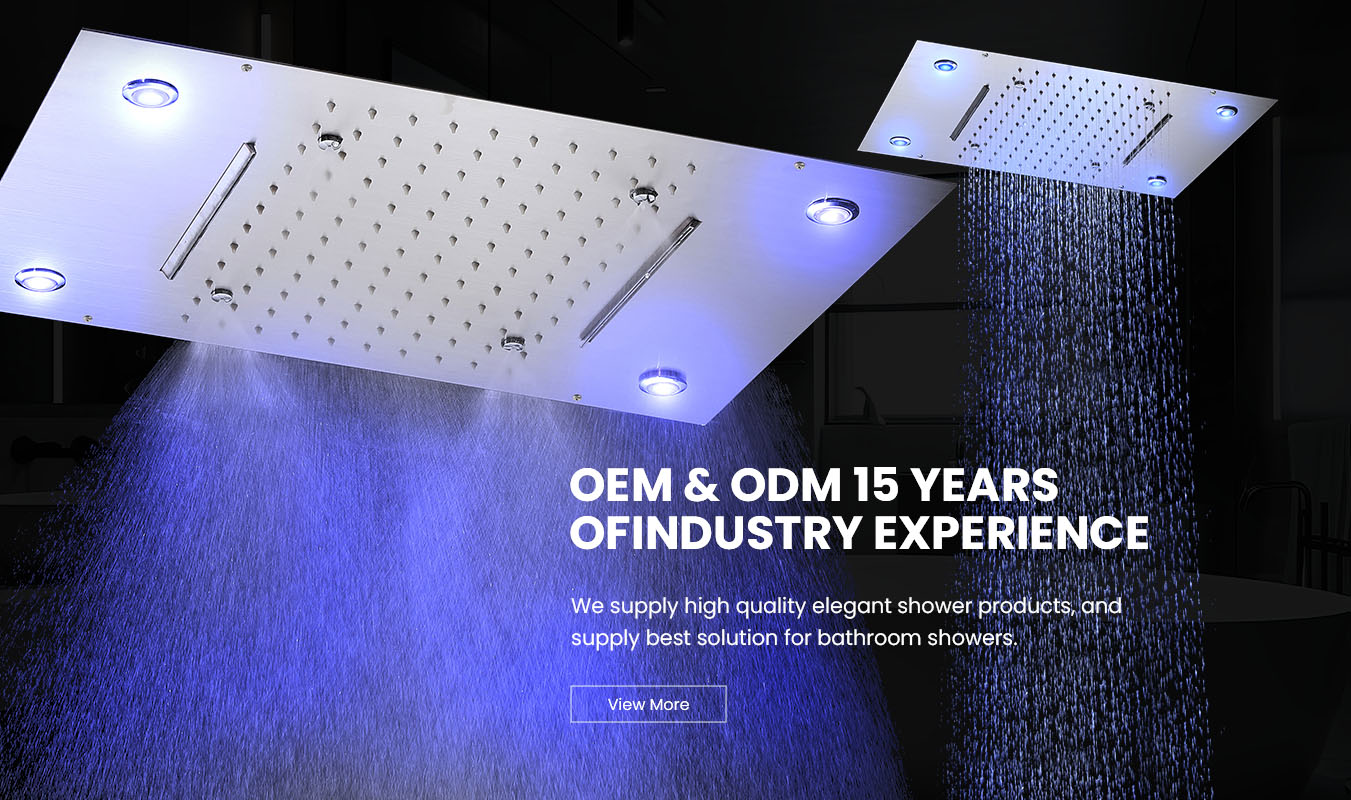
Pink mold in a shower is usually not true mold. In many bathrooms, the pink or orange film is linked to Serratia marcescens, a bacterium that thrives in damp spaces such as shower corners, basins, and other wet surfaces. It often feeds on soap residue and body oils, which is why it returns quickly when moisture control and surface design are weak. For sourcing teams, this is not only a cleaning issue. It is also a product design, material, and maintenance-access issue. EMYSA positions itself as a manufacturer established in 2009, focused on Brass Shower Head, Stainless Steel Shower Head, and Concealed Shower Mixer products, with exports mainly to Europe and Australia and WRAS-related experience. That factory-based background is valuable when buyers need shower products that are easier to clean and more stable in humid environments.
The first step is to remove the pink buildup from hard surfaces, then dry the area completely. EPA guidance on household mold cleanup says hard surfaces should be scrubbed with detergent and water and then dried fully. EPA also stresses that the key to mold control is moisture control, including reducing humidity, improving ventilation, fixing leaks, and drying wet surfaces within 24 to 48 hours. CDC guidance adds that when stronger cleaning is needed, bleach can be used carefully, but it should never be mixed with ammonia or other cleansers. These points matter because repeated pink buildup is usually a sign that the shower zone stays wet for too long after use.
Many buyers treat pink mold as a housekeeping problem only, but long-term prevention starts much earlier in the sourcing process. A shower system with poor drainage, difficult-to-clean corners, weak surface finishing, or materials that trap residue will create more maintenance pressure after installation. This is where manufacturer vs trader becomes important. A manufacturer can explain waterway structure, surface finishing method, nozzle design, and cleaning access more directly. A trader may only pass product information from another factory. In projects that require repeat orders, technical visibility usually matters more than a broad catalog. EMYSA’s focused shower range gives buyers a more direct path for OEM shower components development and shower parts manufacturing review.
A proper manufacturing process overview should include more than appearance and water flow. It should also consider cleanability. In shower products, that means reviewing material forming, CNC machining, polishing quality, coating stability, nozzle layout, sealing transitions, and assembly precision. Rough surfaces, poorly finished joints, or residue-trapping details can increase biofilm buildup over time. In contrast, smoother surfaces and well-controlled finishing make daily cleaning easier and reduce the chance of repeated staining. This is why a factory-led development process usually produces better long-term results than a simple price-led sourcing decision. That is especially true for Concealed Shower Mixer and stainless steel shower head projects where both visible finish and functional performance matter.
Material selection affects both durability and hygiene performance. Stainless steel is widely used in wet environments because of its corrosion resistance, while brass remains important for internal valve bodies and structural parts because of machining stability and sealing performance. For export market compliance, material control is also essential. EPA states that lead-free plumbing products must not exceed a weighted average of 0.25 percent lead across wetted surfaces. For the European market, REACH remains the main EU regulation for protecting human health and the environment from risks posed by chemicals. When buyers confirm brass quality, stainless steel grade, and coating consistency early, they reduce the chance of future maintenance complaints tied to corrosion, discoloration, or finish breakdown.
Good quality control checkpoints can reduce the conditions that allow pink buildup to return. Buyers should confirm surface smoothness, coating adhesion, drainage efficiency, nozzle consistency, sealing quality, and ease of disassembly for cleaning. EMYSA’s recent product-related content highlights final testing steps such as air pressure leak testing, water flow simulation testing, and surface finish inspection. Those checkpoints matter because moisture retention often starts with weak sealing, poor flow performance, or low finish consistency. In other words, preventing pink mold is not only about what the user cleans. It is also about what the factory controls before shipment.
In the OEM / ODM process, buyers should ask for more than custom color and logo. They should also review how the design handles moisture, how easy the product is to wipe down, whether the nozzles resist buildup, and whether hidden zones can be cleaned without special tools. For bulk supply considerations, repeatability is critical. A product that looks good in one sample but traps residue in later batches creates service issues at scale. This is why a practical project sourcing checklist should cover material compliance, finish durability, drainage logic, maintenance access, and batch consistency. A direct manufacturer is usually in a better position to confirm these items than a sourcing intermediary.
| Focus Area | What Buyers Should Confirm |
|---|---|
| Supplier type | Direct manufacturer control or trader coordination |
| Material standards | Brass and stainless steel quality, export compliance readiness |
| Surface quality | Smooth finish, stable coating, easy-clean details |
| Quality checkpoints | Leak test, flow test, surface inspection, assembly control |
| Maintenance design | Easy cleaning access, residue reduction, moisture management |
To get rid of pink mold in a shower, clean the hard surfaces, remove the moisture source, improve ventilation, and keep the area dry after use. For buyers, the more important question is how to reduce the chance of that problem returning across many installations. That answer usually comes from better materials, better finishing, better drainage logic, and better factory control. EMYSA’s manufacturer-based model, export experience, and focused shower category coverage make it better suited to support OEM development, bulk supply planning, and shower system production that is easier to maintain in real humid environments.
Previous: How To Get Rid Of Shower Mold