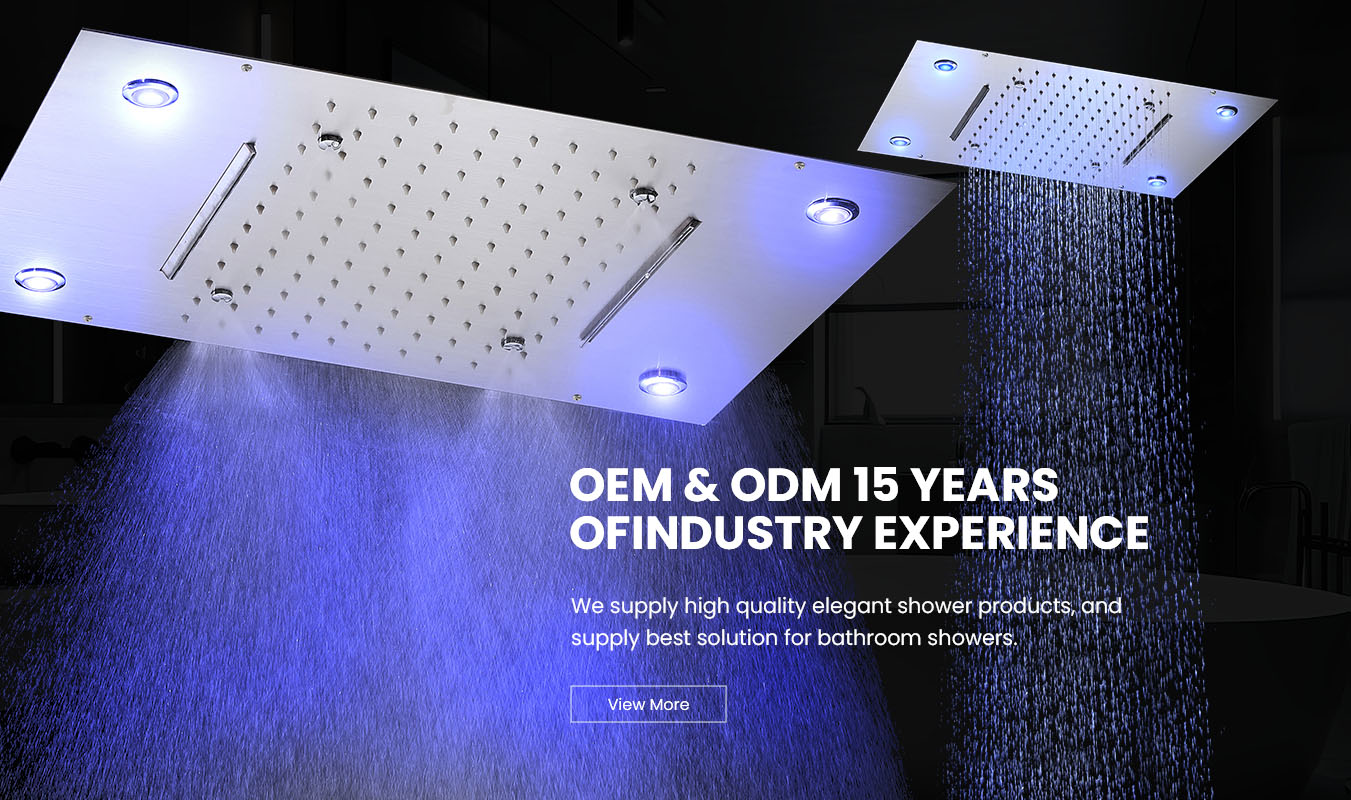
A strong OEM / ODM process is not only about making a new shower product look right. It is about turning an idea into repeatable production with stable materials, controlled tolerances, reliable testing, and export-ready documentation. This is where the difference between a manufacturer vs trader becomes clear. A direct factory can connect design, machining, finishing, assembly, and inspection in one workflow. EMYSA presents product lines such as Brass Showerhead, Stainless Steel Shower Head, Hand Shower, Shower Head Fittings, and concealed shower system, which supports more integrated shower parts manufacturing and faster technical coordination during development.
The first step is requirement confirmation. Buyers should prepare product drawings, dimensions, finish expectations, logo method, packaging style, installation requirements, and target markets. Market definition matters because material standards used in one region may not be enough for another. In the United States, the EPA says lead-free plumbing products must not exceed a weighted average of 0.25 percent lead across wetted surfaces. In the European market, REACH is the main EU law for protecting human health and the environment from chemical risks. These rules affect brass selection, stainless steel grade, coating choice, and supplier documentation from the start.
Once the concept is clear, the manufacturer reviews structure, machining feasibility, sealing points, installation interface, and finish compatibility. This stage is critical in OEM shower components development because small design decisions can affect yield, assembly speed, and long-term defect rate. A factory-led review is usually more efficient than trader coordination, since engineering feedback comes directly from production logic rather than being passed across several parties. For shower system production, this step helps prevent later issues in threads, pressure balance, or connection fit.
After feasibility approval, the factory moves into sample making. Here, buyers should confirm not only appearance but also the actual material combination. EMYSA highlights products using SUS304 stainless steel, brass valve bodies, and food-grade silicone nozzles in its concealed rain shower range, which shows how material decisions are tied to corrosion resistance, durability, and stable function. Sample approval should include finish color, surface texture, spray performance, and installation compatibility before bulk shower components supply begins.
Testing should be built into the OEM / ODM process before mass release. Quality control checkpoints normally include incoming material verification, machining dimension checks, finish inspection, leak testing, pressure testing, and final assembly review. WRAS approval listings for shower outlets show common operating references such as maximum operating temperature of 60 degrees Celsius, while some approved products also show maximum working pressure of 5.0 bar. These figures show why production samples must be validated under practical working conditions rather than checked only for appearance.
Before mass production, packaging and pilot production should be reviewed carefully. Bulk supply considerations include carton strength, internal protection, shipping marks, barcode layout, and accessory counting. A pilot run helps confirm whether the approved sample standard can be repeated across a real batch. This step is especially important for export shower fittings supplier programs because packaging failure can damage otherwise qualified goods during transit. Manufacturer visibility is valuable here because process adjustments can be made faster and traced more clearly.
After pilot approval, the project moves into mass production. At this point, the key focus is consistency across batches. A useful project sourcing checklist should cover material traceability, finish stability, leak test records, carton validation, and compliance files for the destination market. EMYSA also shows product data such as thermostatic control ranges of 20 to 50 degrees Celsius and temperature control accuracy within ±1°C at 0.3MPa on one concealed shower model, which reflects the kind of functional detail that matters in controlled manufacturing and export communication.
| Step | Main Control Point |
|---|---|
| Product definition | Drawing, finish, packaging, market target |
| Engineering review | Structure, machining, sealing feasibility |
| Sample stage | Material confirmation and appearance approval |
| Testing stage | Leak test, pressure check, finish inspection |
| Pilot run | Batch consistency and packaging verification |
| Mass production | Traceability, quality records, export compliance |
A well-managed OEM / ODM process reduces rework, shortens launch cycles, and improves batch stability. For buyers planning long-term programs, the strongest partner is usually the one that can connect design review, shower system production, quality control checkpoints, and export market compliance in one system. EMYSA’s manufacturer-based structure makes that process more direct, more transparent, and more reliable for repeat supply.