
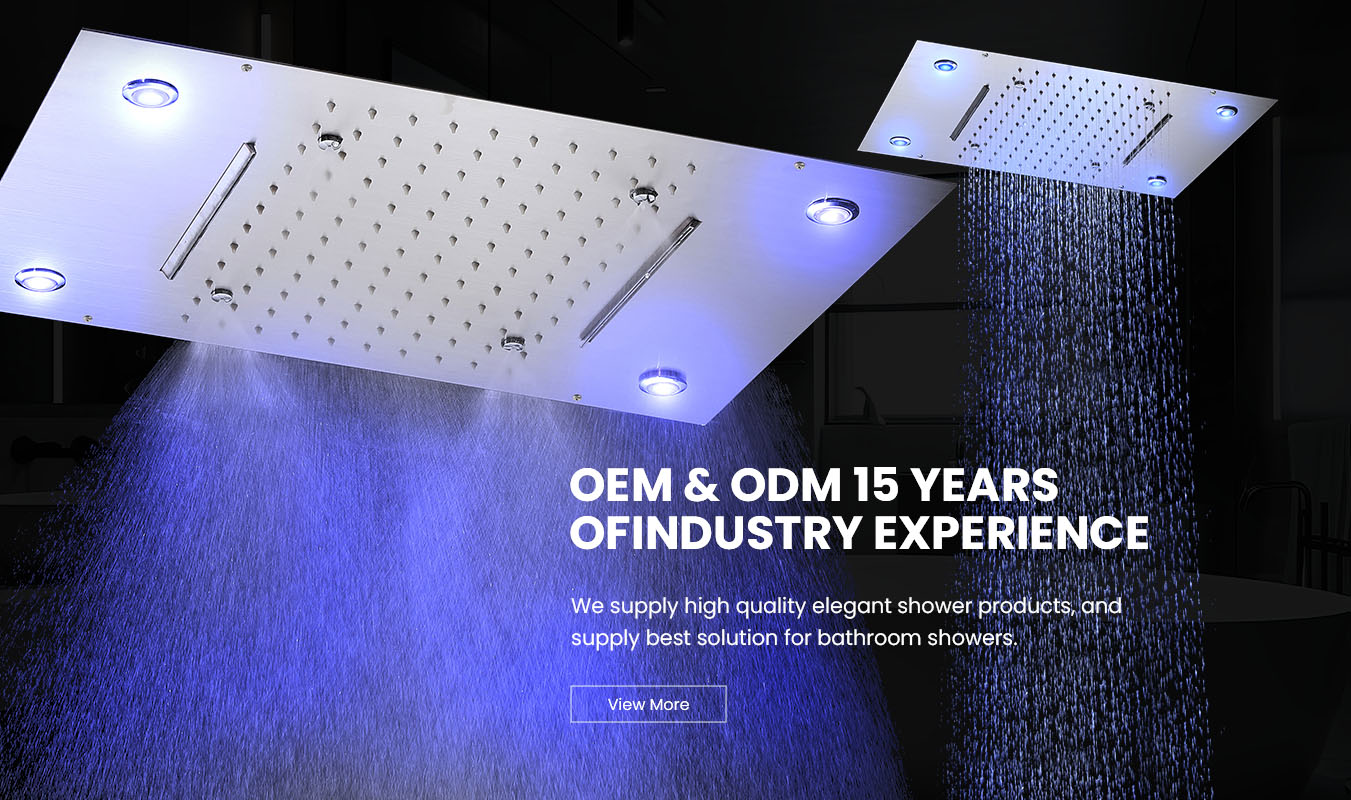
Low water pressure in a shower is a common issue that affects comfort and daily usability. Weak water flow can make showering inefficient and may indicate underlying plumbing or fixture problems. The causes range from clogged shower heads and mineral buildup to valve restrictions and plumbing system limitations. Fixing water pressure problems requires identifying the source of the restriction and restoring normal water flow through the shower system.
Understanding the factors affecting water pressure also highlights the importance of engineering design, material quality, and manufacturing precision in modern bathroom fixtures.
Common Causes of Low Shower Water Pressure
Several issues may reduce water pressure in a shower system.
| Cause | Description |
|---|---|
| Clogged Shower Head | Mineral deposits block spray nozzles |
| Flow Restrictor | Internal device limits water output |
| Blocked Cartridge | Debris or scale restricts water flow |
| Partially Closed Valve | Water supply valve not fully open |
| Pipe Corrosion | Internal pipe surfaces reduce flow capacity |
Hard water environments often accelerate mineral buildup inside plumbing fixtures, which can gradually restrict water channels.
Step-by-Step Method to Fix Shower Water Pressure
Resolving low shower pressure typically involves cleaning or replacing components that restrict water flow.
Clean the Shower Head
Mineral deposits inside the spray nozzles are one of the most common causes of low pressure.
Remove the shower head and soak it in vinegar for approximately 30 minutes to dissolve calcium buildup. After soaking, rinse the shower head and clear any remaining debris from the nozzle openings.
Remove the Flow Restrictor
Many shower heads contain a small flow restrictor designed to reduce water consumption.
If higher water pressure is required and local regulations allow it, the restrictor can be removed by accessing the internal screen inside the shower head connection.
Check the Cartridge
The faucet cartridge regulates water flow and temperature. If debris or mineral buildup accumulates inside the cartridge, it may restrict water flow.
Remove the faucet handle and inspect the cartridge. Cleaning or replacing the cartridge often restores normal pressure.
Inspect Water Supply Valves
Ensure that the main water supply valve and any local shut-off valves are fully open.
Partially closed valves can significantly reduce water flow to the shower.
Flush the Plumbing Lines
Debris trapped inside plumbing pipes may reduce water pressure.
Running water through the system after removing the shower head can flush out loose particles that may be restricting flow.
Engineering Design Features That Improve Water Pressure
Modern shower systems are engineered to optimize water distribution and maintain consistent pressure.
Professional manufacturers integrate design features that improve water flow efficiency.
| Design Feature | Function |
|---|---|
| Precision Water Channels | Ensure balanced water distribution |
| Anti-Clog Silicone Nozzles | Prevent mineral buildup from blocking outlets |
| Pressure Balancing Valves | Maintain stable flow during temperature changes |
| Smooth Internal Surfaces | Reduce resistance within water pathways |
These design elements help maintain consistent spray performance even under varying water supply conditions.
Manufacturing Process of Shower Fixtures
High-quality shower fixtures are produced through multiple controlled manufacturing stages that ensure structural accuracy and durability.
| Stage | Description |
|---|---|
| Material Selection | Brass or stainless steel selected for corrosion resistance |
| Casting or Forging | Forms the faucet body and structural components |
| CNC Machining | Produces accurate water channels and threads |
| Surface Treatment | Polishing and electroplating enhance corrosion protection |
| Assembly | Integration of cartridges, valves, and spray components |
| Inspection | Functional testing before packaging |
Factories with integrated production lines maintain strict process control to ensure consistent performance across production batches.
Quality Control Procedures
Bathroom fixtures must undergo rigorous inspection procedures before entering international markets.
| Inspection Type | Purpose |
|---|---|
| Pressure Testing | Confirm resistance to water pressure variations |
| Flow Rate Testing | Verify consistent water output |
| Dimensional Inspection | Ensure installation compatibility |
| Surface Inspection | Detect coating defects |
| Durability Testing | Simulate long-term operation cycles |
These inspections help ensure stable performance in residential and commercial installations.
Manufacturer vs Trader in Shower Fixture Supply
Understanding supplier capabilities is important when sourcing shower systems for construction projects or distribution.
Manufacturers operate their own production facilities and control each stage of the manufacturing process. This enables consistent product quality and engineering support.
Trading companies typically source products from various factories and focus on distribution.
| Aspect | Factory Manufacturer | Trading Company |
|---|---|---|
| Production Control | Direct supervision of manufacturing | Dependent on suppliers |
| Customization | OEM and ODM development available | Limited customization |
| Quality Traceability | Full production documentation | Often unavailable |
| Technical Support | Engineering teams available | Limited technical capability |
Working directly with a manufacturer improves product consistency and supply stability.
OEM and ODM Customization Options
Shower fixtures are commonly produced through OEM or ODM cooperation models.
OEM production allows distributors to customize branding, packaging, and surface finishes while using existing product structures.
ODM development involves collaborative engineering where manufacturers assist in designing new faucet structures, ergonomic handles, or advanced spray systems.
Common customization options include:
Different spray patterns and water distribution designs
Various surface finishes such as chrome or brushed metal
Cartridge configurations for regional plumbing systems
Customized packaging for wholesale distribution
Factories with in-house engineering teams can support these development processes while maintaining manufacturing efficiency.
Export Compliance and Material Standards
Bathroom fixtures used in international construction projects must comply with strict plumbing and material safety requirements.
Professional manufacturers select corrosion-resistant metals and apply protective surface treatments to ensure durability in humid environments.
Products designed for export markets are often manufactured according to international plumbing regulations to ensure compatibility with global installation systems.
Compliance with these standards ensures product safety, durability, and installation reliability.
Procurement Checklist for Bulk Shower System Orders
Buyers sourcing shower systems for residential developments, hotels, or distribution networks should evaluate suppliers carefully.
Important evaluation criteria include:
Manufacturing capability and production capacity
Material quality and corrosion resistance
Quality inspection procedures
Engineering support for customization
Export certification compliance
Packaging and logistics capability for large shipments
Manufacturers with integrated production facilities and stable supply chains are better positioned to support large procurement projects.
Conclusion
Fixing low water pressure in a shower usually involves cleaning the shower head, removing flow restrictions, inspecting the faucet cartridge, and ensuring that water supply valves are fully open. Addressing these issues restores normal water flow and improves the overall shower experience.
From a sourcing perspective, shower systems designed with efficient water channels, durable materials, and strict manufacturing standards provide more stable water pressure and long-term performance in residential and commercial bathroom installations.