
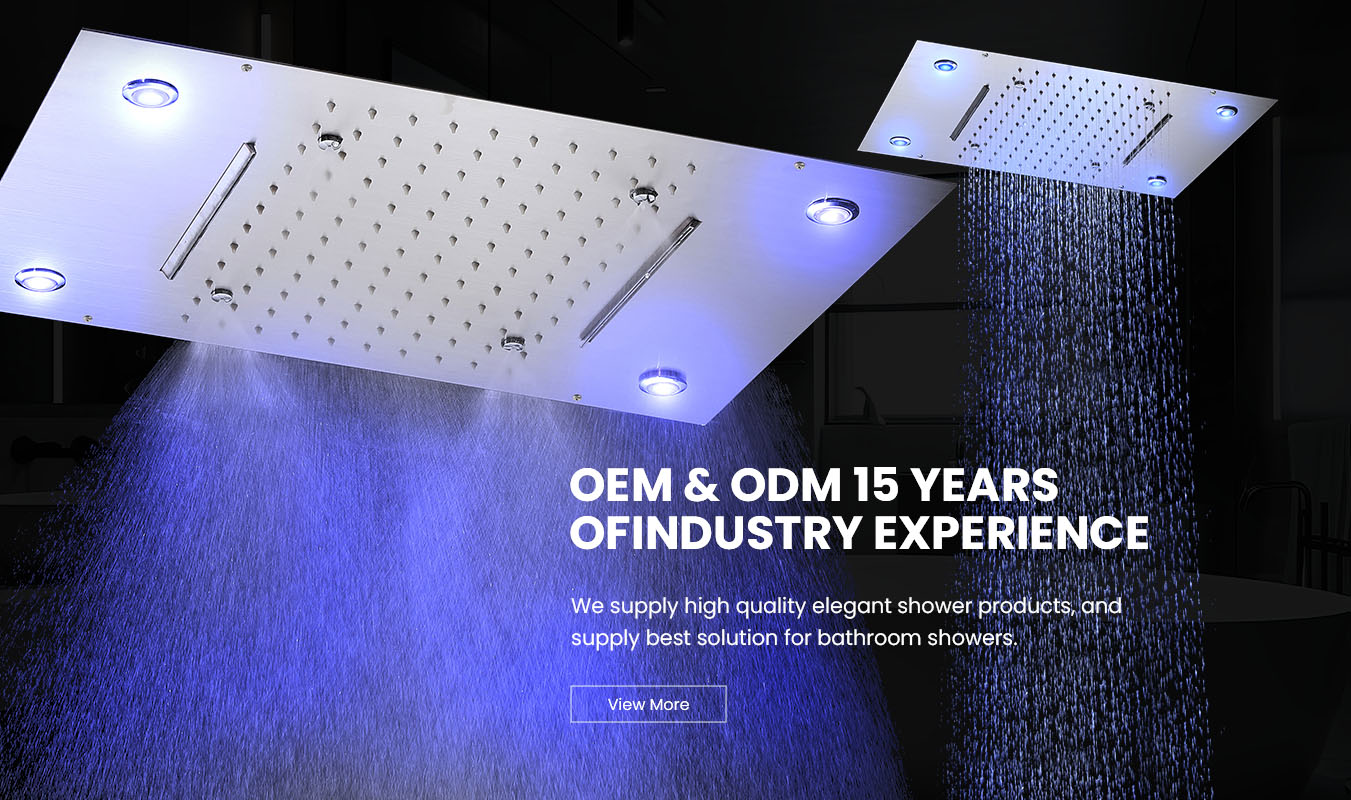
A leaky shower is a common plumbing issue that can lead to water waste, higher utility costs, and potential structural damage if not addressed in time. Leaks may originate from several parts of the shower system, including the shower head, faucet valve, diverter, or internal plumbing connections. Identifying the source of the leak is the first step toward performing an effective repair.
Understanding how to fix a leaky shower also highlights the role of engineering design, material quality, and manufacturing precision in modern bathroom fixtures.
Common Causes of a Leaky Shower
Several components within a shower system can cause leaks when they become worn or damaged.
| Cause | Description |
|---|---|
| Worn Cartridge | Internal valve fails to seal water flow completely |
| Damaged O-Rings | Rubber seals lose elasticity and allow water leakage |
| Mineral Buildup | Hard water deposits prevent proper valve closure |
| Loose Pipe Connections | Threaded fittings become misaligned |
| Corroded Valve Components | Metal parts degrade after prolonged exposure to moisture |
In modern shower systems, the cartridge inside the mixer valve is often the most common source of leakage.
Step-by-Step Method to Fix a Leaky Shower
Repairing a leaky shower usually involves accessing the faucet valve and replacing worn internal components.
Turn Off the Water Supply
Before beginning any repair, the water supply to the shower must be turned off. This prevents water flow during disassembly and avoids accidental flooding.
Shut-off valves are typically located within the building plumbing system or behind an access panel near the bathroom.
Remove the Shower Faucet Handle
Most shower handles are secured by a screw hidden beneath a decorative cap.
Carefully remove the cap and loosen the mounting screw using a screwdriver or hex key. After removing the screw, gently pull the handle away from the valve stem.
Remove the Trim Plate
The trim plate covers the wall opening and protects the internal valve assembly. Removing this plate exposes the cartridge housing and valve components.
This step allows direct access to the internal sealing system.
Inspect and Replace the Cartridge
The cartridge controls water flow and temperature mixing. When the cartridge becomes worn or damaged, it may allow water to pass through even when the faucet is closed.
Remove the cartridge using pliers or a specialized cartridge tool. If visible wear or mineral buildup is present, installing a new cartridge typically resolves the leak.
Replace O-Rings and Seals
O-rings and rubber seals maintain watertight connections within the valve assembly. Over time, these components may crack or lose elasticity due to constant exposure to water and temperature changes.
Replacing damaged seals helps restore proper water sealing.
Reassemble and Test
After installing the new components, reassemble the faucet by reinstalling the trim plate and handle.
Turn the water supply back on and test the shower to confirm that the leak has been eliminated.
Engineering Design of Modern Shower Systems
The durability of a shower system depends largely on the engineering precision used during manufacturing. Professional manufacturers incorporate structural features that reduce leakage and improve long-term reliability.
| Design Feature | Function |
|---|---|
| Ceramic Disc Cartridge | Provides durable sealing and smooth operation |
| Precision Valve Housing | Ensures accurate alignment of internal components |
| Corrosion-Resistant Materials | Prevent rust and degradation in humid environments |
| Modular Cartridge System | Simplifies maintenance and replacement |
Manufacturers producing shower heads, Hand Showers, and concealed mixers typically design these components as part of an integrated shower system to ensure compatibility and performance.
Manufacturing Process of Shower Fixtures
Reliable shower fixtures are produced through multiple manufacturing stages that ensure structural strength and durability.
| Stage | Description |
|---|---|
| Material Selection | Brass or stainless steel chosen for corrosion resistance |
| Casting or Forging | Forms the faucet body and valve housing |
| CNC Machining | Produces precise sealing surfaces and threads |
| Surface Treatment | Polishing and electroplating improve corrosion protection |
| Assembly | Integration of cartridges, seals, and handles |
| Inspection | Functional testing before packaging |
Factories with integrated production lines maintain strict process control to ensure consistent quality.
Quality Control Procedures
Bathroom fixtures must pass several inspection procedures before entering international markets.
| Inspection Type | Purpose |
|---|---|
| Pressure Testing | Confirm resistance to water pressure fluctuations |
| Leak Testing | Verify complete sealing of internal components |
| Dimensional Inspection | Ensure installation compatibility |
| Surface Inspection | Detect plating defects |
| Durability Testing | Simulate repeated operating cycles |
These inspections ensure reliable performance in residential, hospitality, and commercial environments.
Manufacturer vs Trader in Shower Fixture Supply
Understanding supplier capabilities is important when sourcing bathroom fixtures for projects or distribution.
Manufacturers operate their own production facilities and control each stage of the manufacturing process. This allows them to maintain consistent product quality and provide engineering support.
Trading companies typically source products from multiple factories and focus primarily on distribution.
| Aspect | Factory Manufacturer | Trading Company |
|---|---|---|
| Production Control | Direct supervision of manufacturing | Dependent on suppliers |
| Customization | OEM and ODM development available | Limited customization |
| Quality Traceability | Detailed production documentation | Often unavailable |
| Technical Support | Engineering teams available | Limited technical capability |
Working directly with a manufacturer provides greater transparency and supply stability.
OEM and ODM Customization Options
Shower fixtures are commonly produced through OEM or ODM cooperation models.
OEM production allows distributors to customize branding, packaging, and surface finishes while using existing product designs.
ODM development involves collaborative engineering where manufacturers assist in designing new faucet structures, ergonomic handles, or advanced spray technologies.
Common customization options include:
Different faucet handle styles
Various surface finishes such as chrome or brushed metal
Customized shower head spray patterns
Private label packaging for wholesale distribution
Factories with dedicated engineering teams can support these development projects while maintaining manufacturing efficiency.
Export Compliance and Material Standards
Bathroom fixtures used in international construction projects must comply with strict plumbing and material safety standards.
Professional manufacturers select corrosion-resistant metals and apply protective surface treatments to ensure durability in humid environments.
Products intended for export markets are often manufactured according to international plumbing regulations to ensure compatibility with global installation systems.
Compliance with these standards ensures safety, durability, and installation reliability.
Procurement Checklist for Bulk Shower Fixture Orders
Buyers sourcing shower systems for residential developments, hospitality projects, or distribution networks should evaluate suppliers carefully.
Important evaluation criteria include:
Manufacturing capability and production capacity
Material quality and corrosion resistance
Quality inspection procedures
Engineering support for customization
Export certification compliance
Packaging and logistics capability for large shipments
Manufacturers with integrated production facilities and stable supply chains are better equipped to support large procurement projects.
Conclusion
Fixing a leaky shower typically involves identifying the source of the leak and replacing worn cartridges, seals, or internal valve components. Proper repair restores the faucet’s ability to control water flow and prevents unnecessary water waste.
From a sourcing perspective, the reliability of shower fixtures depends heavily on manufacturing precision, durable materials, and strict quality control procedures. Shower systems produced through controlled production processes provide stable performance and long-term reliability in residential and commercial bathroom installations.